
If you’re wondering how to fit an enormous brine-bathing bird into your fridge this holiday season, stop wondering. Alton Brown’s wet-brined turkey recipe uses an insulated cooler instead, freeing up precious refrigerator space while seasoning the bird throughout.
The brine—a simple mixture of kosher salt, sugar, and vegetable broth—helps the turkey retain moisture as it roasts. Once the bird has had its soak, pat it thoroughly dry and send it into a blazing-hot 500°F oven to get the skin hurtling toward golden and crisp. After 30–40 minutes, you’ll shield the breast with foil, lower the heat to 350°F, and let the turkey finish roasting.
That’s right: No basting. No hovering by the oven. Just a little advance planning and plenty of time to focus on sweet potatoes, apple pie, and the rest of your Thanksgiving feast.
If you'd rather skip the wet brine, try our dry-brined turkey. Short on time? Chris Morocco’s turkey in parts cooks in under two hours.
Brined Turkey FAQ
How long should you brine a turkey?
For a 14–18-lb. turkey, plan on 8–12 hours in the brine—enough time for the salt to work its way into the meat, seasoning it and helping it retain moisture. You may be tempted to leave the turkey soaking for 24 hours, but an extended brine can make it overly salty. Stick to the recommended window.
Is brining turkey in a cooler safe?
Yes, as long as you can keep the brine at or below 40°F the entire time. Use a thoroughly cleaned, food-safe insulated cooler and monitor the liquid with a probe thermometer. Add sealed ice packs as needed to maintain a safe temperature. The goal is to keep the turkey just as cold as it would be in the refrigerator.
Can you brine a turkey that’s already been brined?
It’s best not to. Many supermarket turkeys are sold prebrined or injected with a salt solution, sometimes labeled “self-basting,” “enhanced,” or “contains a solution.” Brining one again can make the meat too salty. Check the packaging before you begin and choose an unbrined turkey for this recipe.
How do you keep gravy made from brined turkey from getting too salty?
Brining seasons the turkey, but it can also make the pan drippings quite salty. Taste the gravy before adding any extra seasoning, and use low-sodium or unsalted broth for more control. If the finished gravy is too salty, add a few pats of unsalted butter or thin the gravy with salt-free broth.
What you’ll need
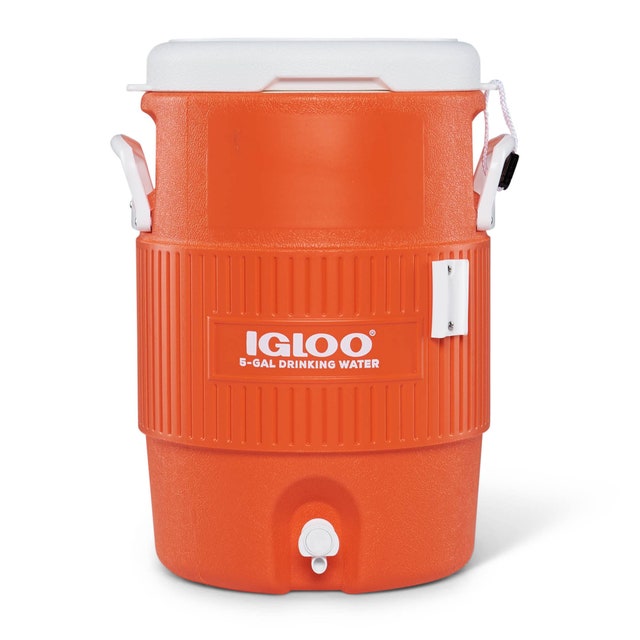
5-Gallon Cooler
$50 At Amazon

DOT Thermometer
$49 At Thermoworks
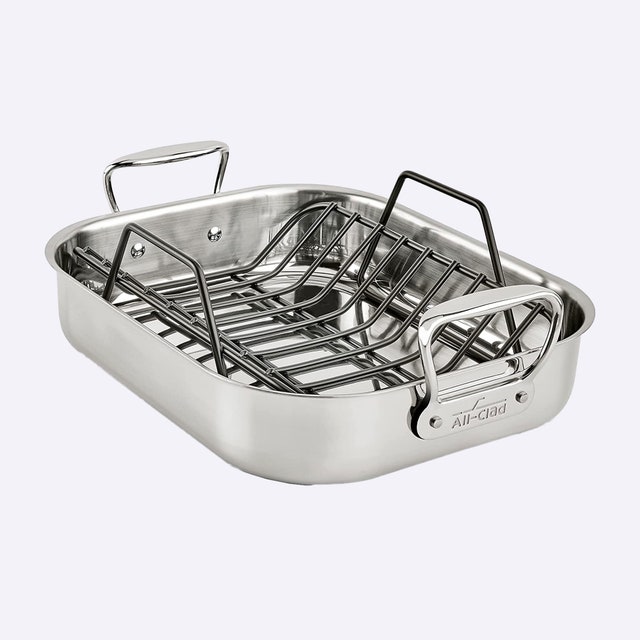
All-Clad Roasting Pan With Rack
$200 $132 At Amazon
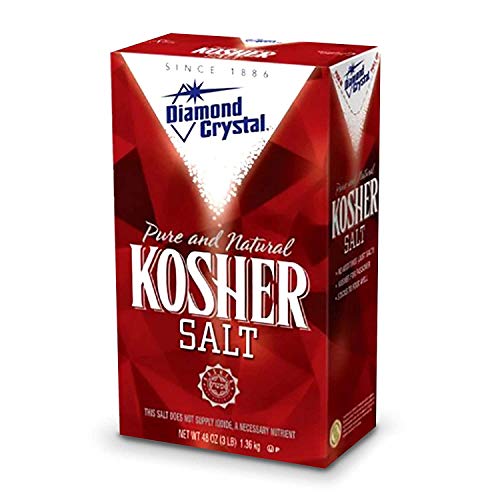
Diamond Crystal Kosher Salt, 3 Pounds
$11 At Amazon


Recipe information
Total Time
26 hours
Yield
12 servings
Ingredients
Turkey and Brine
1
3
⅔
4
8
1
2
2
2
Gravy and Assembly
1
1
Need to make a substitution?
Preparation
Turkey and Brine
Step 1
Place wrapped one 14–18-lb. Frozen turkey in a 5-gal. cooler with a drain spout. Place cooler in a bathtub and pour in cold water to cover turkey. Let sit, draining and replacing water every 2–3 hours and making sure to keep water temperature below 40°, until turkey is thawed, 8–10 hours.
Step 2
Remove turkey and clean cooler with soap and pat dry. Pour in 3 cups (1 lb.) Diamond Crystal or 1¾ cups Morton kosher salt, ⅔ cup sugar, and 2 qt. hot tap water. Stir to dissolve salt and sugar. Pour in 4 qt. low-sodium vegetable broth and 8 lb. ice (from 1 gallon water).
Step 3
Unwrap turkey and remove giblets and any other parts (such as neck) that may be inside cavity; save for gravy if desired. Place turkey, breast side up, in brine. If turkey floats, fill a 1-gallon resealable plastic bag with ice water and place it on top of turkey. Close lid and set cooler in a cool place. Let sit, turning turkey over once if possible, 8–12 hours. Check brining liquid periodically with a probe-style thermometer ; if temperature is above 40°, add a few freezer packs enclosed in resealable plastic bags.
Step 4
Place a rack in lower third of oven and remove remaining racks; preheat to 500°. Remove turkey from brine and pat dry inside and out with paper towels. Fill turkey cavity with 1 large onion, coarsely chopped, 2 large carrots, scrubbed, coarsely chopped, 2 celery stalks, coarsely chopped, and some thyme, rosemary, and/or sage sprigs; keep packing loose.
Step 5
Place turkey, breast side up, on a V-shaped rack set inside a large roasting pan. Cut a piece of foil big enough to cover breast and mold over breast. Remove foil, then coat foil with nonstick vegetable oil spray and set aside.
Step 6
Rub 2 Tbsp. unsalted butter between your hands until liberally coated (you may use disposable food-grade gloves if desired). Rub butter all over turkey, re-buttering your hands and repeating process until you have a nice, even coating.
Step 7
Slide turkey into oven neck end first and roast until well browned, 30–40 minutes. Remove turkey from oven and place greased foil over breast. Insert probe-style thermometer through foil into thickest part of breast. Reduce oven temperature to 350° and return turkey to oven. Roast until probe inserted into breast registers 161°, and 181° for thigh, 2–2½ hours (do not open oven to baste turkey).
Step 8
Transfer turkey to carving board and let rest 30 minutes. Reserve drippings for gravy.
Gravy and Assembly
Step 9
Set roasting pan across 2 burners over medium heat. Add 1 cup low-sodium chicken broth and whisk to scrape up pan drippings. Whisk 1 Tbsp. cornstarch and 1 cup cold water in a small bowl to combine. Add cornstarch slurry to pan and cook, whisking, until gravy is glossy and thickened. Taste and season with kosher salt and freshly ground pepper if needed.
Editor’s note: We first published this wet-brined turkey recipe in November 2011; it has been updated for style. If you and your guests haven’t finished the whole bird by the night’s end, put it to work in these leftover turkey recipes.