Search results for
tipstools tips 2008 04 how to rub butter into flour
Filter Results
Sort By:
Recipes
(143)

Recipes
Transforming cream into butter is one of the most satisfying acts of kitchen alchemy you can perform, and it comes with the bonus of controlling exactly how your butter will taste.

Recipes
A vast array of cookie recipes spring from one basic formula: butter and sugar are beaten together, eggs are stirred in for moisture, and flour is mixed in at the end. The consistency of the resulting cookie dough can range from one firm enough to roll out and cut, to a dough soft enough to drop from a spoon right onto a baking sheet, to a very wet dough moistened only with egg whites that has to be piped and thinly spread with a knife onto a baking sheet. (A charming cookie called a langue de chat, or cat’s tongue, is made from this last kind of dough.) Beating butter and sugar together until fluffy and light-colored is called creaming. Sugar is added, and the beating continues until the mixture is light and fluffy again. The creaming process aerates the butter: air bubbles are literally forced into the butter mixture. These air bubbles expand during the baking, making the cookies light and tender. Butter can be creamed by hand or with a mixer. If using a mixer, the butter and sugar can be added at the same time. Mix at medium-high speed for 2 or 3 minutes (if using a stand mixer, use the paddle attachment). Stop the machine once or twice to scrape down the sides to ensure that all the sugar gets incorporated into the butter evenly. In a pinch, cold butter can be used: just put it in the mixing bowl by itself and beat until soft before adding the sugar. The butter has to be soft to cream properly. Once the butter and sugar are creamed together, add the eggs and mix well. If using a mixer, scrape down the sides of the bowl as needed. It is important that the eggs be at room temperature, too. If they are added cold, the butter will seize up, deflating the air bubbles, and the dough will resist thorough mixing. Add liquid flavorings and sweeteners such as vanilla extract, liquors, molasses, and honey along with the eggs. Flour is the last ingredient to be added. Be sure to measure the flour the same way every time. This will make your baking more consistent. I recommend this method: Stir the flour up to fluff it. Use a dry measuring cup, the flat-topped kind that fills to the brim, and either scoop up the flour with it or spoon the flour into it; then draw a spatula or knife across the top of the cup to level the flour. Don’t tap the cup or the flour will compact. Add the flour to the butter and eggs and stir it in until just mixed. You want all the flour to be completely mixed in, but too much stirring will activate the gluten in the flour and make the cookies tough. Mix salt, ground spices, and baking powder or baking soda into the flour before it is added to the cookie dough. Chunky flavorings such as chopped nuts, chocolate, or dried fruit should be stirred in gently after the flour has been mixed in. Dough for drop cookies can be baked right away or chilled and baked later. Cookies that are to be shaped or rolled out often require chilling first to firm up the dough. Many cookie doughs can be rolled into logs, chilled, and then sliced into neat cookies to bake. Shape the logs into ovals, squares, or rectangles for different shapes. The logs can be frozen for up to 2 months and the sliced cookies require no defrosting before baking. Slice off as many cookies as needed and return the rest to the freezer for later. To bake cookies properly it is worth investing in one or two heavy baking sheets. They help the cookies to bake evenly, particularly by keeping them from browning too much on the bottom. An oven thermometer is helpful for determining your oven’s actual temperature. I like to line baking sheets with parchment paper or a silicone mat, both of which keep cookies from sticking and make cleanup much easier. The parchment paper can be reused from batch to batch. Bake the cookies in the center of a preheated oven. Adjust your oven racks if necessary. Every oven has a hot spot where the cookies will bake more quickly. To compensate for this, rotate the baking sheets halfway through the baking. Turn the ...
Easy
Recipes
This butter is delicious with eggs, seared fish, steaks, pork chops, chicken, or to spread on savory muffins or scones. When making it, it is important that the butter is still a little firm, but not so cold that it won’t whip in the mixer. Take the butter out of the refrigerator a half hour to an hour before making the compound. For best results, don’t freeze this butter.

Recipes
French buttercream eschews meringue in favor of pâte à bombe, a combination of whipped egg yolks and sugar, for the ultimate lush frosting.
Recipes
When researching this book, I talked about Jewish food with Pierre Dreyfus, a greatgrandson of Captain Alfred Dreyfus, the Jewish officer on the French General Staff who was falsely accused of being a German spy. The one recipe that Pierre remembered from his childhood was for butter, or butterkuchen, simple shortbread butter cookies sprinkled with cinnamon and sugar. A century ago, butterkuchen, similar to sablés in Brittany, were made by using equal weights of eggs in their shells, butter, sugar, and flour. Sometimes cooks would add a little kirsch or vanilla sugar. Some used a glass to cut round pieces from the cookie dough; others pressed the dough into pans and cut it into tiny squares or rectangles after baking. One elderly lady I interviewed told me how her grandmother would make butter in the summer from the fresh, unpasteurized cream of their cows and store it in a stone jar on a ledge outside their house all winter long. Then, when she wanted to use the butter for butter, it was right there. One day when I was visiting Sandrine Weil (see page 181), she and her daughters showed me how to make a tender butter. This is her take on the butterkuchen, made with rich French butter, which has a low water and high fat content, and is cut after baking into the traditional 1-inch squares.

Recipes
Quartering and stacking the dough creates lots of flaky layers that beg to be pulled apart and slathered with softened butter.
5.0
(4.76)

Recipes
Nut cookies in the shape of "sticks" or "fingers" were kind of a thing back in the day. I substitute bread flour instead of all-purpose for chewiness, which is a must for a peanut butter cookie in my opinion.

Quick
Recipes
Cornmeal adds a pleasant crunch, while buttermilk keeps them fluffy and light.
4.3
(4.29)

Easy
Recipes
The secret to extra-fluffy stack? A splash of cold, bubbly seltzer.

Easy
Recipes
This family favorite holiday cookie pairs the winning combination of chocolate and peanut butter.

Recipes
Sweet honey butter, seasoned with a kiss of flaky sea salt, is the ultimate topping for these light-as-air biscuits.

Recipes
Made from equal parts butter and peanut butter, these shortbread wafers are ultra-crunchy and salty-sweet—perfect for sandwiching with whipped peanut butter creme. They’re best made with commercial peanut butter, which makes the dough and filling easy to handle.
Articles
(176)

Cooking
Three methods for when you need cookies, right now.
Shilpa Uskokovic

Cooking
I spent 30 years measuring sticky ingredients like a fool.
Ella Quittner

Culture
Homemade butter in a beautifully designed glass vessel. Not the giant wooden thing they used in the old days.
Brad Leone

techniques
On Wednesday, the Foodist blew up our spot by declaring peanut butter on toast the breakfast of choice for many BA staffers. The Test Kitchen can do you one better, Foodist: We make our own nut butters.
Kay Chun

techniques
Butter makes everything better—unless you make these common mistakes.
Rochelle Bilow

Cooking
The latest TikTok darling, this cousin to the charcuterie board is even easier to assemble, but some of our staffers aren’t convinced.
Li Goldstein
Videos
(228)
icon
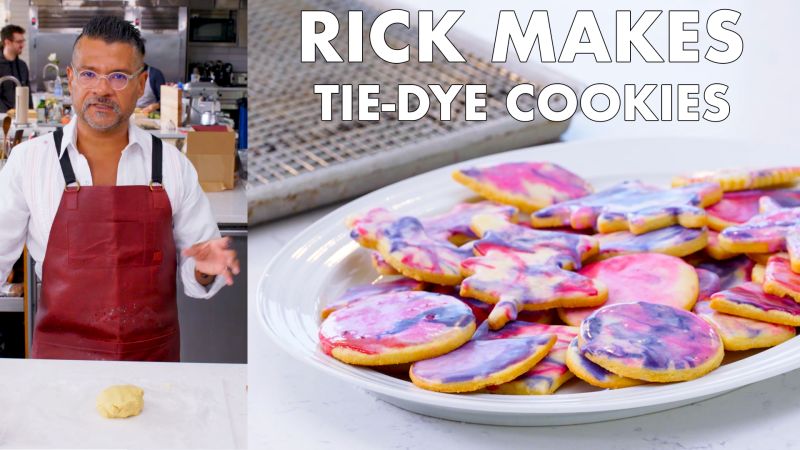
Join Rick Martinez in the Bon Appétit Test Kitchen as he makes tie-dye swirl holiday cookies. The butter cookie that acts as your canvas is extremely simple to make (like, six ingredients simple), so you can spend most of your time on the fun part: unleashing your inner artiste. When you’re decorating, no need to panic if your first attempts don’t work out. Simply wipe off the failed glaze, let the cookie dry for about five minutes, and try again.
icon
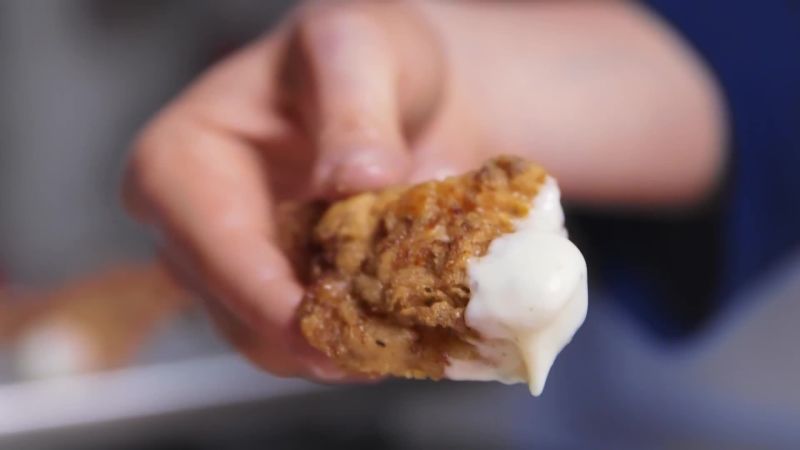
We show you how to make the best buttermilk fried chicken fingers of all time.
icon
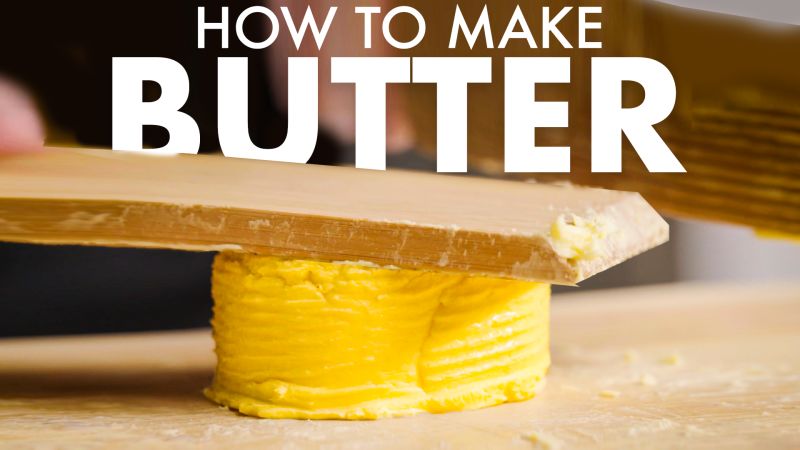
Store-bought butter comes in all types, shapes, and sizes but there's something unmistakably satisfying (and delicious) about making your own at home. Flavor scientist Arielle Johnson demonstrates precisely how to make it happen in your own kitchen, explaining in detail each step of turning liquid dairy into flavorful, spreadable butter.
icon
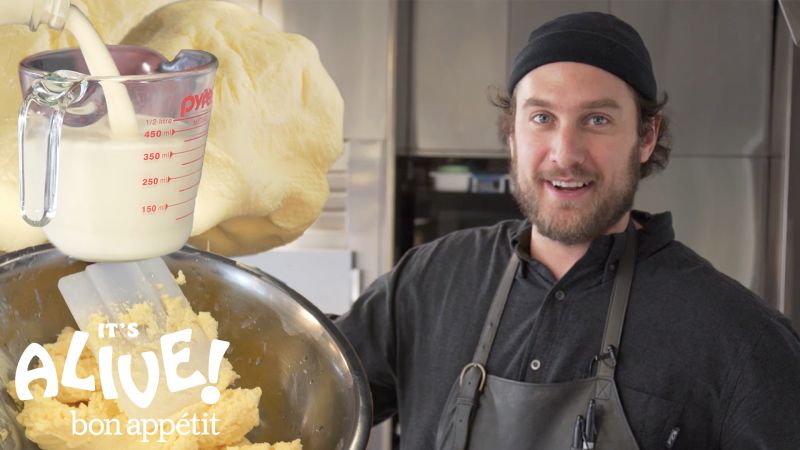
Bon Appétit test kitchen manager, Brad Leone, is back with the second episode of "It’s Alive," and this time he’s taking you to school, making tangy, creamy, salty cultured butter. Will it be boring? Nope. Is the process scientifically accurate? Maybe. Will there be jokes and made-up words? Most likely. Will you learn about butter? Of course. Get those churning hands ready, buy some buttermilk, cream, and grab some bread. It’s Butter. It’s Alive.

icon
Butter, semi-sweet chocolate chips, and eggs. That's it!

icon
Flakey biscuits with just three ingredients? Totally possible.