Dried beans cook best when soaked for a number of hours. Overnight is best. Cover the beans with plenty of water to keep them from poking up above the surface when they have absorbed water and swelled. I cover them with at least three times as much water as beans. If all the beans were not completely submerged overnight some will cook at a different rate than others and you’ll end up with overdone and underdone beans in the same pot. Drain after soaking and use fresh water for cooking them. All over the world, beans are traditionally cooked in earthenware pots (and for some reason they seem to taste better when they are), but any heavy nonreactive pot will do. Try to choose a wide pot so the layer of beans isn’t too deep; otherwise the beans are hard to stir and the ones on the bottom of the pot get crushed. Be sure to use enough water that stirring them is easy: the water level should always be an inch or so above the level of the beans. If the water is too low, the beans will be crowded and will tend to fall apart when they are stirred. Worst of all they might start to stick and burn on the bottom of the pot. Salt is best added towards the end of the cooking to keep the beans tender. When done, the beans should be tender but not falling apart, though it is better to overcook them than undercook them! You don’t want them to be the least bit al dente, or crunchy. The best way to test them is to bite one. Start testing after an hour. When they are fully cooked, let right away, the skins will crack and they’ll look shaggy. When cooking fresh shell beans there is no need to soak them. Just pop them out of their shells and put them in a pot. Cover with water by no more than about 1 1/2 inches: the beans will not absorb much water. Add the salt at the beginning and begin testing for doneness after about 10 minutes. Depending on the variety, the beans may take as long as an hour to cook, but usually they are done in much less time. Beans can be flavored at the end of their cooking and served right away; or once cooked, they can be cooled, flavored or not, refrigerated (or frozen) in their liquid, and used later.
Few ingredients have such a stellar deliciousness-to-affordability ratio, and the best part about starting a soup with dried beans is that they create their own incredibly savory broth as they cook.
Cooking dried beans is as basic as it gets: put the beans in a pot, cover with water, and simmer until tender. What varies around the globe is the variety of bean and how they are seasoned. There are many heirloom varieties to choose from and they are all delicious flavored with a mirepoix (a mixture of diced or chopped onions, carrot, and celery) and a few herbs, and if you like, a bit of cured meat. Cook beans that you intend to add to a soup or some other dish with whole, not chopped, vegetables and remove them at the end.
Beans certainly hold up better in the industrial canning process than many other vegetables, but there are still many good reasons to cook your own, not the least of which is the fact that so many canned varieties come packed with way more sodium than you need. Here’s my adaptation of bean maven Steve Sando’s basic stovetop method for cooking beans. If you have a pressure cooker or a slow cooker, feel free to experiment with it. This recipe gives the beans a relatively neutral seasoning that leaves them easy to take in different directions. If desired, you can add herbs and spices (torn dried chile peppers, toasted and ground cumin seeds, black peppercorns, oregano) to the cooking liquid, but resist the urge to add anything acidic, such as tomatoes, citrus, or vinegar, until the beans are cooked, or the skins of the beans will not soften as they should.
If words like “humble” and “homey” come to mind when you think about beans, this primer will change your tune. Whether tumbled with citrus, roasted with sausage, or stewed with all that is bright and green, these are winter’s stealth powerhouses.
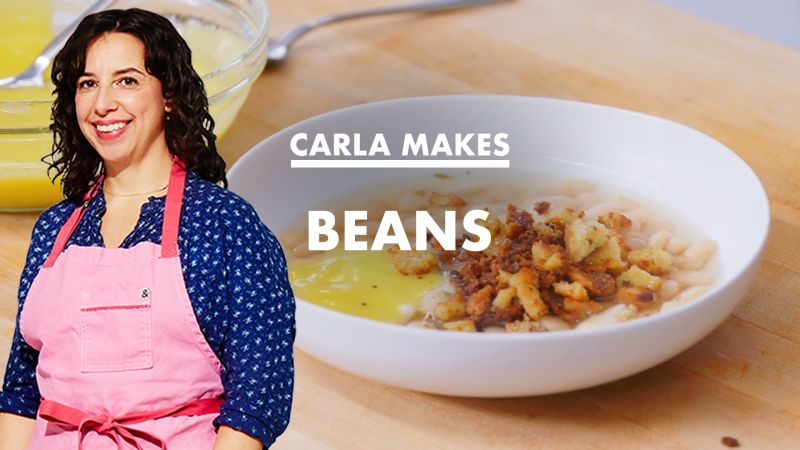
Join Carla Lalli Music in the Bon Appétit Test Kitchen as she makes the perfect pot of beans. After enjoying some of the best ones she'd ever had at Marlow & Sons in Williamsburg, Brooklyn, Carla reached out to chef Patch Troffer to learn just what kind of magic he was conjuring. Armed with her new legume knowledge, Carla is eager to share.
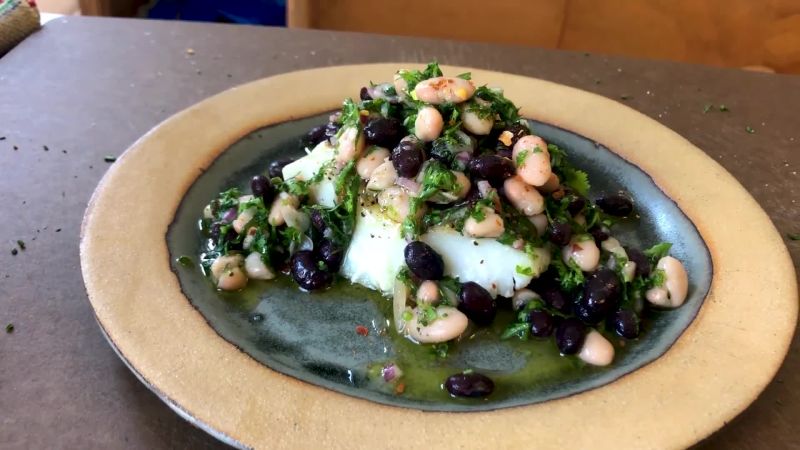
This go-to pantry recipe featuring Bush's Beans is perfect over rice, fish, toast, you name it! Watch how easy it is to make and then watch Amiel virtually share a meal with his best friend from childhood, Marty.
Chef Hillary Sterling shares her restaurant techniques for cooking better vegetables. Learn how to cook restaurant-quality vegetables at home, from salt-baked zucchini and eggplant to garlicky sautéed spinach, olive oil-poached artichokes, and perfectly blanched asparagus, broccoli, and peas. These professional cooking tips improve flavor, texture, color, and more, making vegetables the star of the show.
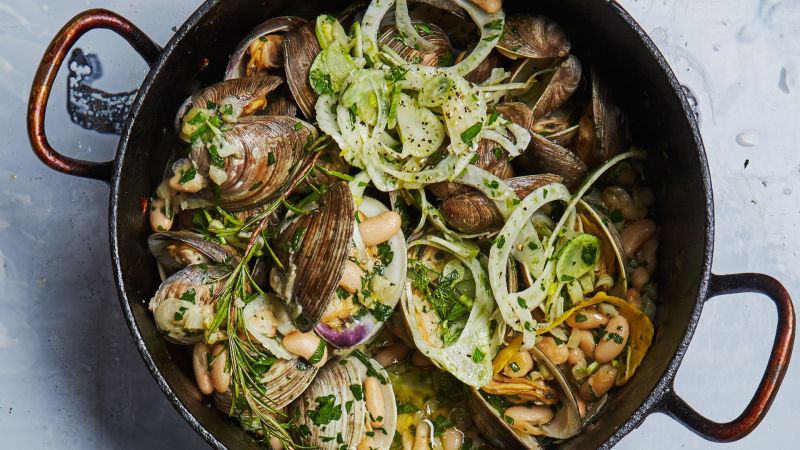
No need to prep everything ahead: Get your chopping in while the fennel cooks. Just keep an eye on the pot!
Recipe: http://shape-flow.today/recipe/clams-in-white-bean-sauce%3C/div%3E%3C/div%3E%3C/div%3E%3C/div%3E%3C/div%3E%3C/div%3E%3C/div%3E%3Cdiv class="StackedRatingsCardWrapper-RIFgn jsPKbl SummaryCollectionGridSummaryItem-ilztYA cpHIzM search_result_item-6aa255745c5856ce5f7470f7">
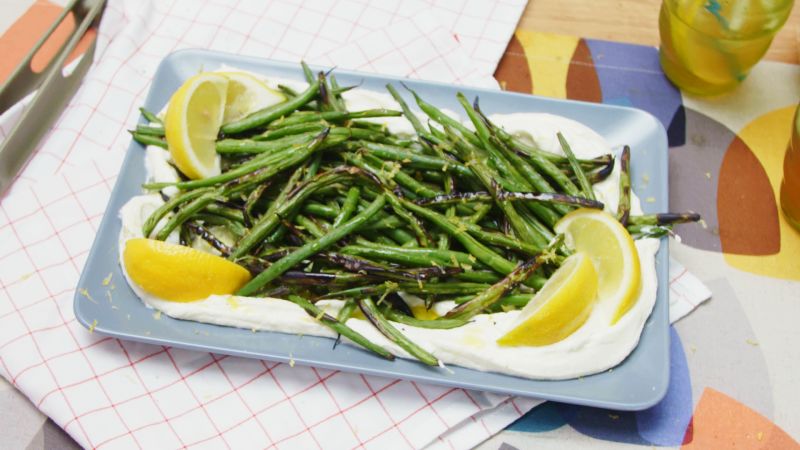
Learn how to make 3-Ingredient Charred Green Beans with Whipped Ricotta!
Find the recipe here: http://www.epicurious.com/recipes/food/views/3-ingredient-charred-green-beans-with-whipped-ricotta