With only twenty-five minutes of active prep time, even a less-experienced cook can add this timeless chicken recipe to his or her repertoire. The simple dinner utilizes produce of southern France—olives, onions, and fennel—cooked in the same pan as the chicken and sauce. Substitute a combination of dried thyme, fennel, basil, and savory if you can’t find herbes de Provence. Serve this in the backyard with a baguette and a bottle of Côtes de Provence, and have yourself a true pique-nique français.
There are more versions of this dish than you can count. You can add cayenne if you like or a little wine or stock. Some olive oil at the end contributes freshness, and 1/2 cup or more of rice cooked with the chicken (add twice as much boiling water or stock as rice, at about the same time) makes the dish more substantial. And so on. In short, it’s one of those universal recipes, but in all forms associated with southern France. Bread is the most common accompaniment, but this saucy chicken is good over rice or other grains as well.
Though coq au vin made with red wine is perhaps the best-known incarnation of the French dish in this country, most regions of France have unique versions that take advantage of local wines. Alsace's dry Riesling lends a gentle richness to this creamy, comforting meal.
Ah, April in Paris! Word of advice: pack a parka! I have been in France twice in April, once to Paris, once to Bordeaux. Twice I froze. Oh, well. The hot ham and cheese tastes better then.
A longtime symbol of cuisine bourgeois—the simple, hearty home cooking of France (which is more valuable to most of us than haute cuisine, the four-star stuff)—this is an immensely satisfying dish and quite straightforward. Serve it over white rice or with crusty bread.
Sorrel (Eastern European tchav) has been made a little more soigné in the hands of the French, by adding herbs and cream. Whereas Jews often substituted spinach and rhubarb to achieve the tangy flavor when they couldn’t get sorrel, and ate the soup cold, the French, until recently, ate sorrel soup hot. Austin de Croze, in his 1931 cookbook, What to Eat and Drink in France, thought that sorrel soup had come to France with emigrants from eastern Europe. This particular recipe comes from Gastronomie Juive: Cuisine et Patisserie de Russie, d’Alsace, de Roumanie et d’Orient, by Suzanne Roukhomovsky, a book I found years ago while browsing in the Librairie Gourmande, a cookbook store I love to frequent on the Left Bank of Paris. Published by the distinguished house of Flammarion in 1929, it was the first comprehensive cookbook on the Jews of France. Madame Roukhomovsky, also a novelist and poet, called French Jewish cooking cuisine maternelle. This recipe surely has its roots in her own Russian background. If you can’t find sorrel, substitute 1 pound of spinach or kale with 1/2 cup rhubarb to attain that tart flavor, as Jews from Russia did.
My version of an old-fashioned French recipe, with a little corner cutting. If you ever come across an old, tough chicken, this is the place to use it; increase the cooking time as necessary until the bird becomes tender. If you use one of our typical chickens, it’s actually a pretty quick recipe to prepare. Use a decent but not too expensive red wine. Pearl onions are quite nice here, even frozen ones. If you start with fresh ones, however, which are best, drop them into boiling water for 30 to 60 seconds to make peeling (much) easier. The French would serve crusty bread with this, and you couldn’t do any better.
Bastille Day is this weekend--a perfect excuse to cook these 18 amazing French recipes, from ratatouille and rillettes to pot au feu and Provencal chicken
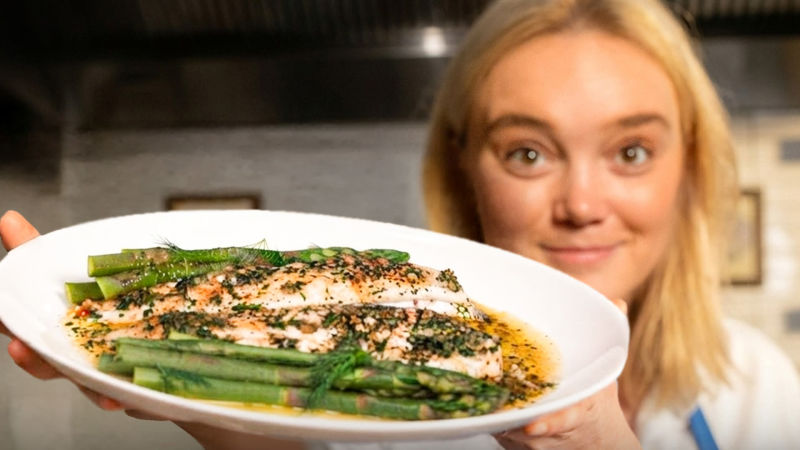
Learn how to make Sole Meunière with master French chef Alexia Duchêne. Alexia breaks down every step behind this classic French dish she grew up eating, from preparing and carving the fish to making a rich brown butter, lemon, parsley, and caper sauce.
Feeling inspired? Follow this recipe to make your own at home: https://shape-flow.today/recipe/dover-sole-meuniere
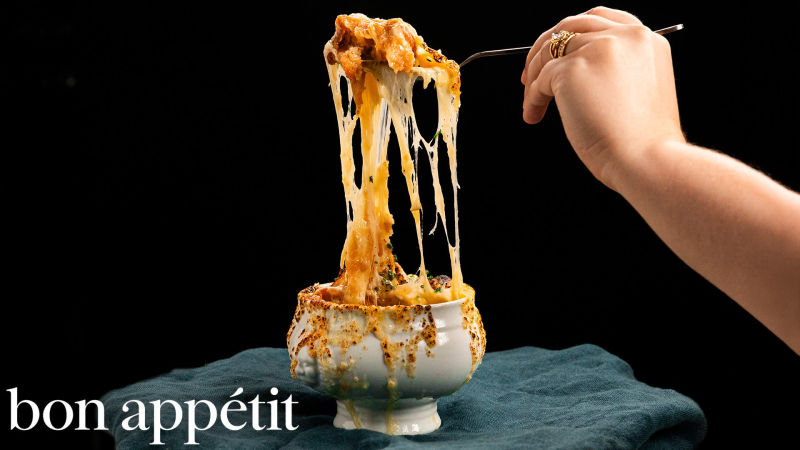
Learn how to make perfect French onion soup from scratch with French chef Alexia Duchêne. From slowly caramelizing onions to preparing a rich homemade beef stock, Alexia demonstrates the essential techniques behind this classic French dish. Finished with bone marrow, toasted baguette, and a blend of Gruyère and Comté cheese, this French onion soup is one of France’s most comforting dishes.
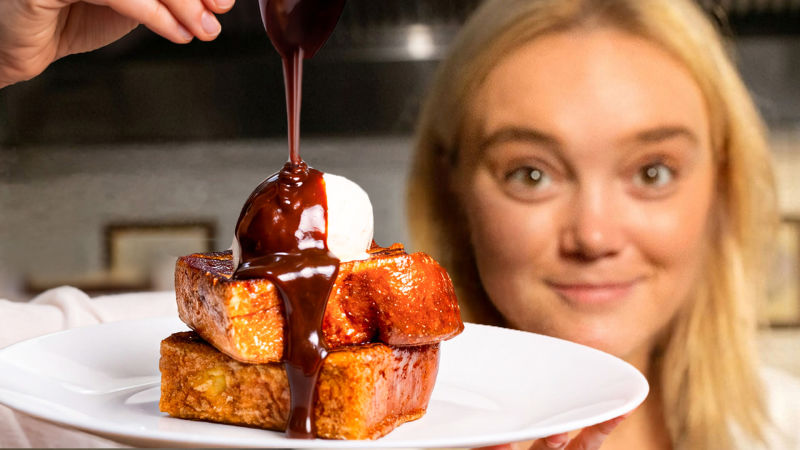
Learn how to make French Toast (pain perdu) with master French chef Alexia Duchêne. Alexia breaks down every step behind one of France's most iconic sweet dishes, from soaking brioche in custard to achieving a perfect caramelized finish, and making a delicious salted caramel and vanilla mascarpone whipped cream to top it off.
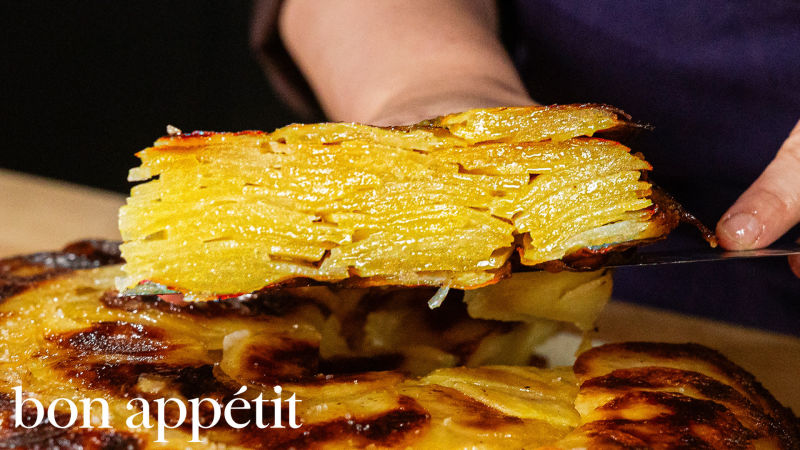
Chef Alexia Duchêne shares three French potato recipes every cook should know. Learn how to make crispy, buttery Pommes Anna, light and pillowy pommes dauphine, and ultra-silky pommes purée. From achieving perfectly golden layers to mastering restaurant-quality mashed potatoes, Alexia breaks down the essential techniques behind these impressive French potato dishes you can make at home.
Feeling inspired? You can follow these recipes here:
https://shape-flow.today/recipe/pommes-anna
https://shape-flow.today/recipe/pommes-puree
https://shape-flow.today/recipe/pommes-dauphine%3C/div%3E%3C/div%3E%3C/div%3E%3C/div%3E%3C/div%3E%3C/div%3E%3C/div%3E%3Cdiv class="StackedRatingsCardWrapper-RIFgn jsPKbl SummaryCollectionGridSummaryItem-ilztYA cpHIzM search_result_item-6a15b30c2931b80063780d36">
Learn how to make French roast chicken with Chef Alexia Duchêne. This classic poulet rôti recipe is a fundamental of French home cooking, pairing crispy golden chicken with roasted vegetables, garlic confit butter, and a rich white wine sauce. Master essential techniques like trussing a chicken, building flavor with compound butter, roasting for perfectly crisp skin, and creating a restaurant-quality sauce so you can deliver juicy, flavorful results at home.
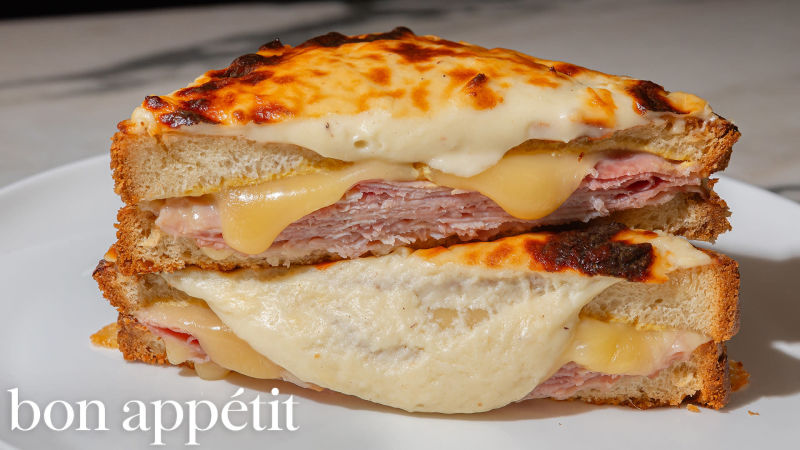
Learn how to make Croque Monsieur with master French chef Alexia Duchêne. Alexia breaks down every step behind one of France's most iconic sandwiches, from making a classic roux and silky béchamel to choosing the best bread, ham, and cheese for the ultimate golden, gooey finish.
Feeling inspired? Follow this recipe to make your own at home: https://shape-flow.today/recipe/bistro-style-croque-monsieur